
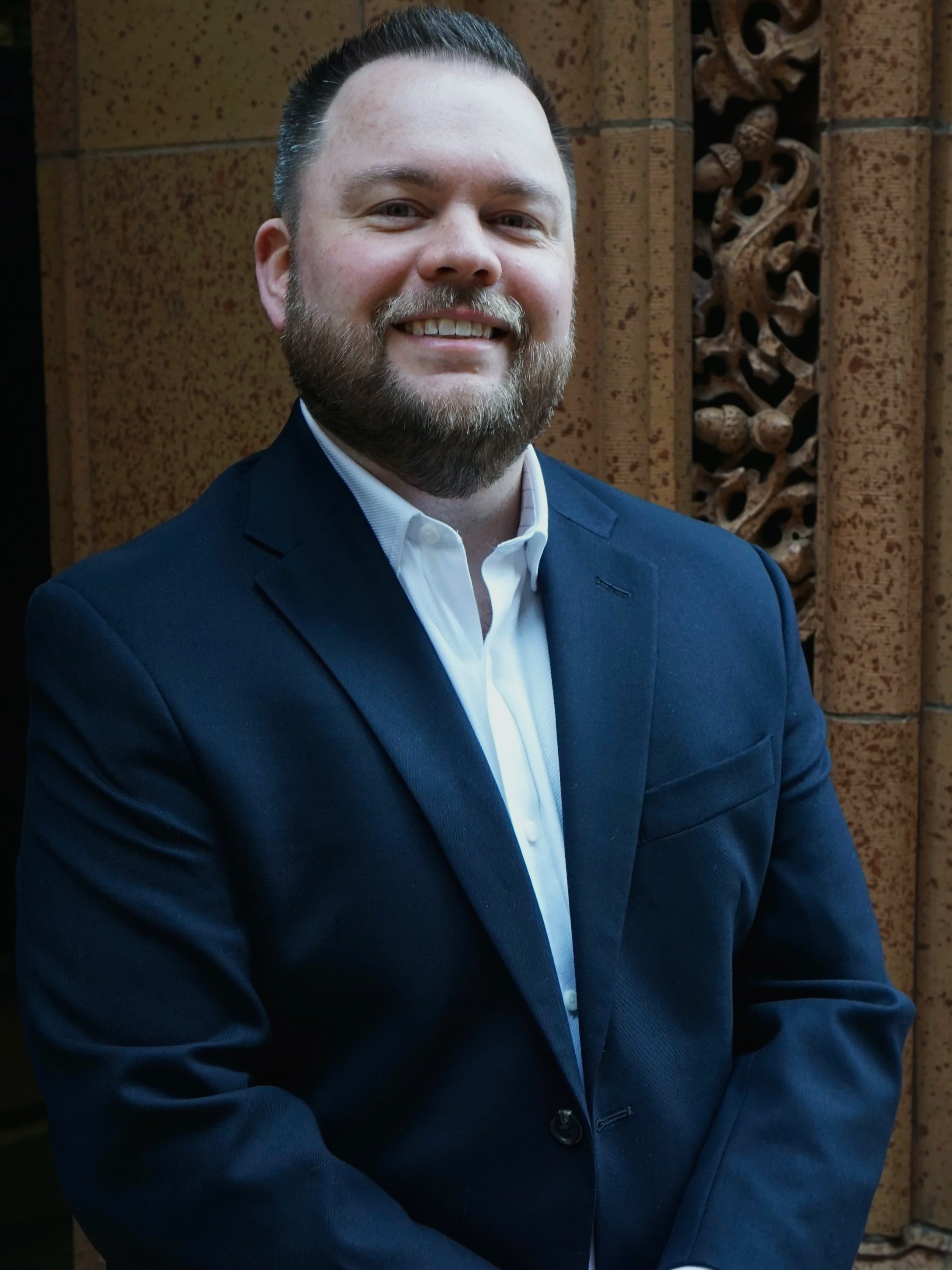
Max Hanisch
Associate Principal AIA, NCARB
Architecture is fundamentally an act of balance. The balance of people, budgets, systems, and ambitions in real time to make something that’s beautiful and buildable.
After all, a perfect design that cannot be afforded is, in Max's words, simply art—something that lives only on paper. Architecture is something else entirely. Its real craft lies in reconciling vision with reality, aligning design ambition with financial constraints without compromising the integrity of either. For Max, achieving that balance — creating something with equal measures of form, function, and feasibility — is an art form in itself, and one that can take a lifetime to master.
But affordability is about more than budgets. For Max, it reflects a broader philosophy about who architecture is ultimately for. Great design should not be an exclusive luxury reserved for exceptional projects; it should be attainable in the buildings people encounter every day. Every building shapes public life, extending its influence far beyond its owner to the people who occupy it, pass by it, and form memories within it. That belief finds its clearest expression in K–12 education. For Max, public schools deserve the same level of design ambition as any landmark building because the spaces where students learn also shape who they become.
His appreciation for architecture's quiet influence began long before he entered the profession. Max's grandfather and great-grandfather emigrated to the United States from Germany in the 1930s, bringing with them expertise in laminated heavy timber construction. Design, making, and construction have long been part of his family's story, including the mid-century home his grandfather designed for his own family. Growing up there taught Max that architecture rarely changes lives through grand gestures. More often, it becomes part of the backdrop of everyday experience, shaping how a place feels without demanding attention.
That is still the kind of architecture Max hopes to create. Drawn to spaces that subtly catch people off guard, Max is less interested in spectacle than in the quiet accumulation of thoughtful decisions: a door handle that feels just right, the quality of light across a room, the transition from one material to the next. These are the moments that make someone slow down, and often the ones they remember long after they've forgotten the building itself.