
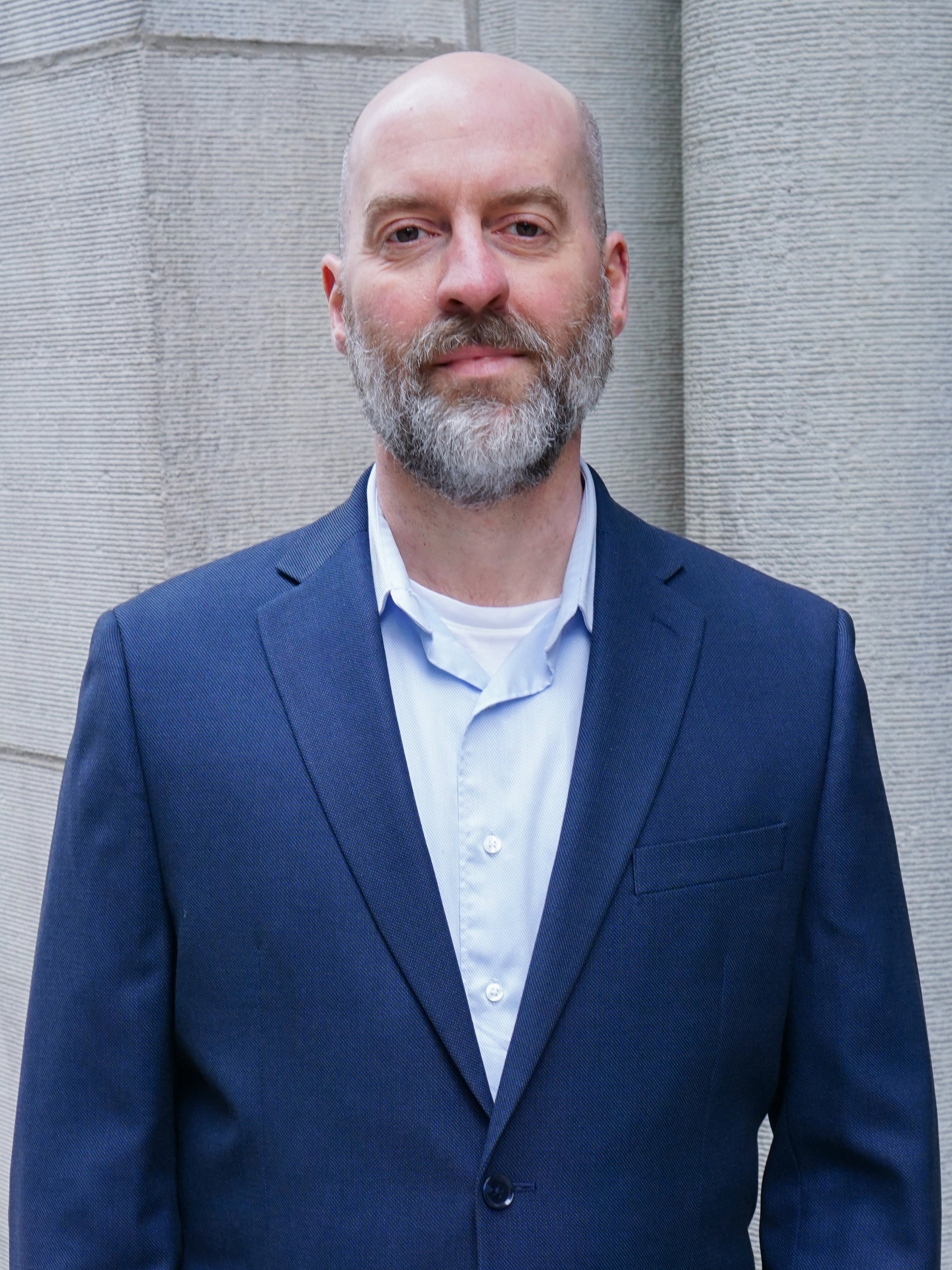
Michael Hall
Associate AIA, NCARB
Michael is skeptical of the idea that architecture can (or should) solve the world's biggest problems. In his view, the discipline already carries enough responsibility on its own: creating spaces that work, endure, and adapt to the real needs of the people who use them. When architecture reaches too far beyond that, he believes it often loses clarity, or worse, becomes vulnerable to ideology and abstraction disconnected from everyday life.
That skepticism begins with accepting the limits of what architects can actually know. While every project must anticipate change, no one can reliably predict the social, technological, or cultural conditions decades from now. Michael believes architects should understand the forces shaping the present and acknowledge emerging shifts — whether in AI, technology, or culture — without pretending to design for futures that remain unknowable. The task is not to anticipate every possibility, but to create buildings that serve the people who need them today while remaining adaptable enough for those who will inherit them tomorrow.
Adaptability is central to that thinking.
Michael sees buildings as living things, constantly changing, evolving, and being reinterpreted over time. For him, one of architecture’s greatest mistakes has been the pursuit of rigid, ego-driven design: buildings conceived as permanent, untouchable objects rather than frameworks capable of transformation. He believes good architecture should acknowledge change as inevitable and make room for it.
That philosophy is especially visible in his technical work and his pull towards the integration of systems — how skin, structure, interiors, and engineering come together into a coherent whole. In renovation work especially, he values the investigative process: understanding where a building is in its life, what can be preserved, what needs to change, and how to intervene without erasing what makes it valuable.
At its best, Michael believes architecture is not about prediction or spectacle. It is about making thoughtful, durable places that respond honestly to where we are now, and leave room for what comes next.